
Eco-Friendly Moving: Trends Shaping the Future of Relocation


In recent years, the concept of eco-friendly moving has gained significant traction as more people become conscious of their environmental impact. This trend is reshaping the future of relocation, emphasizing sustainable practices and green solutions. As we move forward, understanding these trends can help individuals and businesses make more informed and environmentally responsible choices.
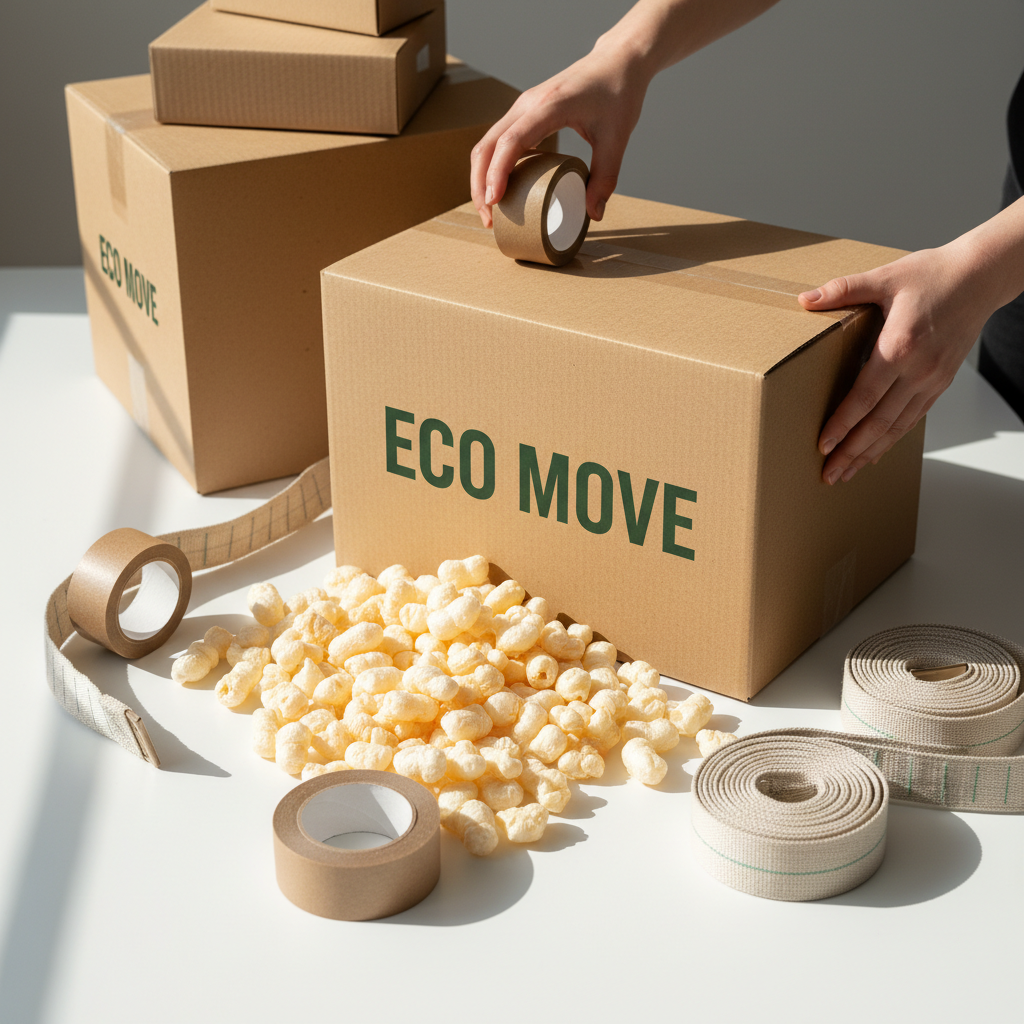
One of the most significant changes is the adoption of sustainable packing materials. Traditional packing supplies, such as plastic wrap and non-recyclable boxes, are being replaced by eco-friendly alternatives. Companies are offering recycled boxes, biodegradable packing peanuts, and reusable containers. These options not only reduce waste but also promote a circular economy.
Innovations in Transportation
Transportation is a critical component of any move, and it's also one of the largest contributors to carbon emissions. To address this, moving companies are investing in greener transportation solutions. Electric and hybrid moving trucks are becoming more common, reducing reliance on fossil fuels. These vehicles not only lower emissions but also often result in cost savings on fuel.
Additionally, some companies are offering carbon offset programs. By purchasing carbon credits, these businesses can compensate for the emissions produced during a move, making the process more environmentally friendly. This approach is particularly appealing to eco-conscious consumers looking to minimize their carbon footprint.

Community and Localized Moving
The concept of community-based moving is also gaining popularity. By focusing on local moves and utilizing resources within a community, the environmental impact of long-distance transportation is significantly reduced. This trend encourages the use of local services and emphasizes the importance of supporting community-based businesses.
Furthermore, localized moving often involves the use of shared resources. For example, community members may pool together for larger moving equipment or participate in group moves, which can lead to fewer trips and reduced emissions. This collaborative approach not only benefits the environment but also fosters a sense of community.

Smart Technology and Planning
Technology is playing a crucial role in the evolution of eco-friendly moving. Smart planning tools and apps are now available to optimize moving routes, ensuring the most efficient path is taken. These tools help reduce fuel consumption and time spent on the road, leading to a more sustainable moving process.
Moreover, technology enables better inventory management. By accurately tracking items, movers can avoid unnecessary trips and ensure that vehicles are loaded efficiently. This precision minimizes waste and enhances the overall sustainability of the move.
Conclusion
As eco-friendly moving continues to evolve, it's clear that sustainability is becoming an integral part of the relocation industry. By embracing green practices, individuals and businesses can contribute to a healthier planet while enjoying the benefits of reduced costs and enhanced community engagement. The future of moving is undeniably green, and these trends are paving the way for a more sustainable tomorrow.