
Eco-Friendly Packing Materials: Trends in US Moves


As the moving industry evolves, a significant shift towards sustainability is taking place. One key area of focus is the adoption of eco-friendly packing materials. This trend is not just a response to environmental concerns but also a reflection of changing consumer preferences.
Traditionally, moving has involved a significant amount of waste, from cardboard boxes to bubble wrap. However, today's consumers are increasingly aware of their environmental footprint, prompting moving companies to innovate in their packing practices.
Biodegradable Materials
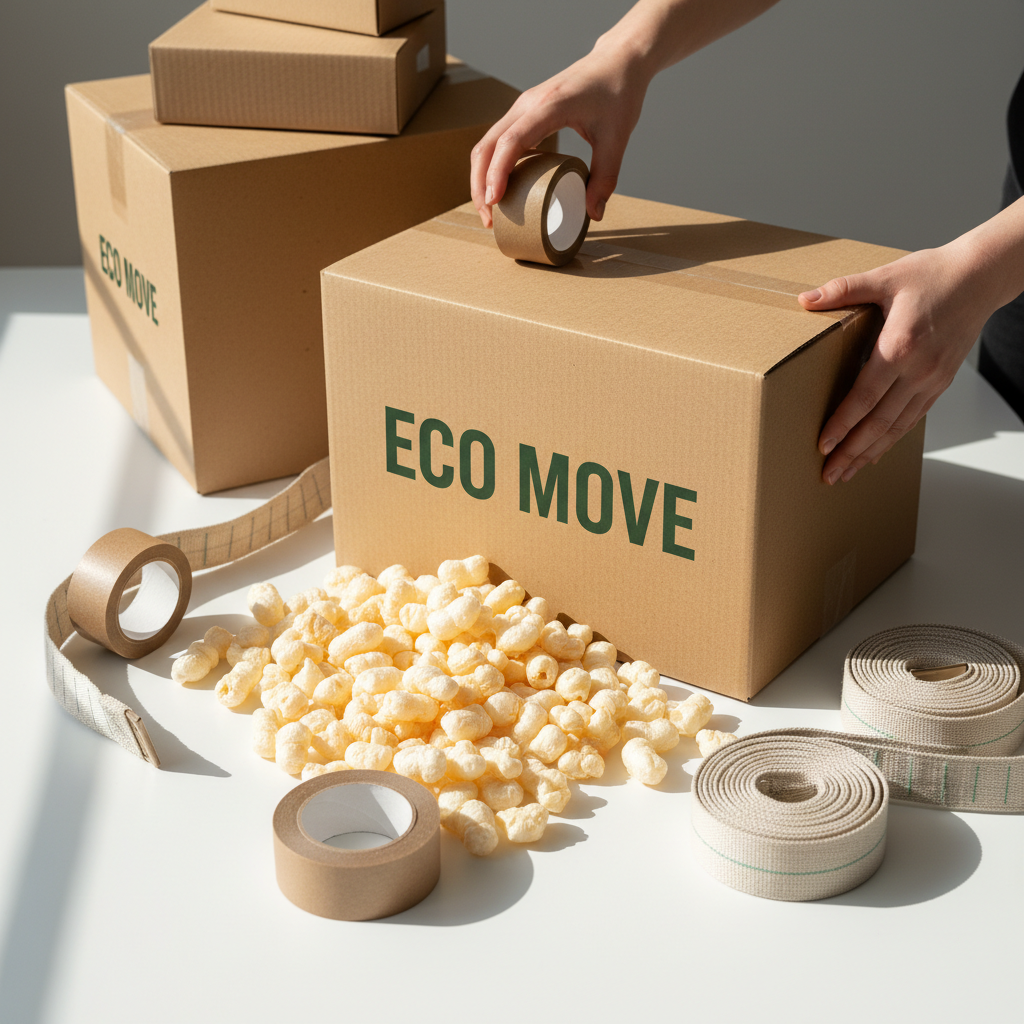
One of the most significant trends in eco-friendly packing is the use of biodegradable materials. These materials break down naturally, reducing the long-term impact on the environment. Options like packing peanuts made from cornstarch are gaining popularity due to their ability to dissolve in water, leaving no toxic residue.
Similarly, biodegradable bubble wrap, made from recycled polyethylene, offers the same protective qualities as traditional bubble wrap but with the added benefit of being less harmful to the planet.
Recycled Cardboard Boxes
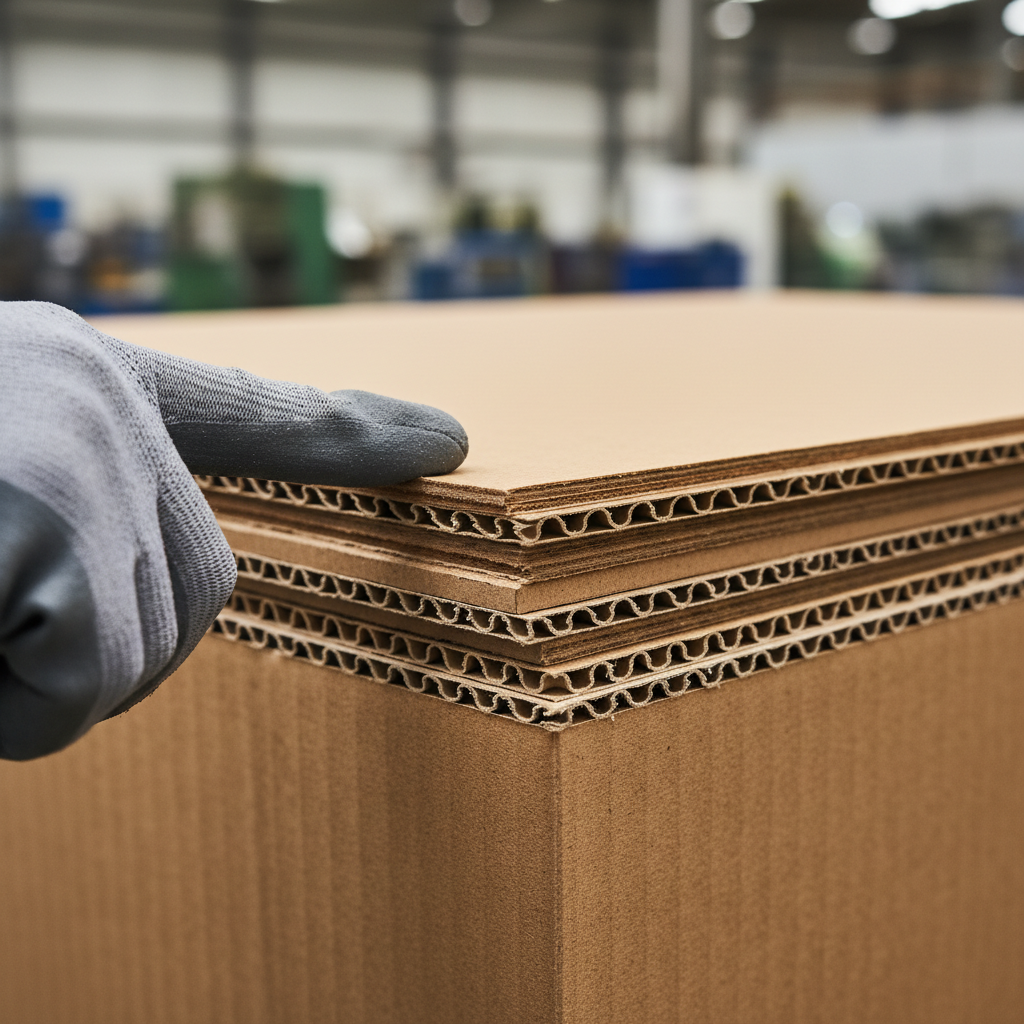
Recycled cardboard boxes have become a staple in eco-friendly moving. These boxes are made from previously used materials, conserving resources and reducing waste. Many moving companies now offer boxes that are not only recycled but also recyclable, ensuring a closed-loop lifecycle.
Reusable Packing Options
Another approach to sustainable moving is the use of reusable packing containers. These sturdy, plastic crates can be rented, used, and returned, eliminating the need for disposable boxes. This option is particularly appealing for local moves, where the logistics of returning the containers are manageable.
Reusable options also extend to materials like fabric wraps and cushioned blankets, which can be used multiple times, offering both protection for belongings and a reduction in waste.
Innovative Alternatives
Beyond the standard materials, innovative alternatives are making waves in the industry. For instance, mushroom packaging, created from agricultural waste and mycelium, provides a fully biodegradable and sturdy packing solution. Similarly, seaweed-based materials are being explored for their potential as sustainable packing options.

Consumer Demand and Awareness
The push towards eco-friendly packing materials is largely driven by consumer demand. Today's consumers are more informed and motivated to choose sustainable options, even if it means paying a premium. This shift in mindset is encouraging moving companies to prioritize eco-friendly practices.
Moreover, awareness campaigns and certifications are helping consumers identify companies that adhere to environmentally responsible practices, further driving the trend.
Future Outlook
As technology advances and environmental awareness grows, the future of packing materials in the moving industry looks promising. Continued innovation and investment in sustainable materials will likely lead to even more efficient and eco-friendly options.
Ultimately, the move towards eco-friendly packing materials represents a broader commitment to sustainability, reflecting not just a trend but a necessary evolution in how we approach moving and logistics.